
Master Food and Wine Pairing: A Quick Guide
Food and wine pairing can elevate a meal from ordinary to extraordinary. The right combination can enhance flavors, create balance, and even transform the dining experience. Whether you're hosting a dinner party or enjoying a quiet meal at home, understanding the basics of food and wine pairing can make all the difference. This guide will provide you with practical tips and insights to master the art of pairing food with wine.
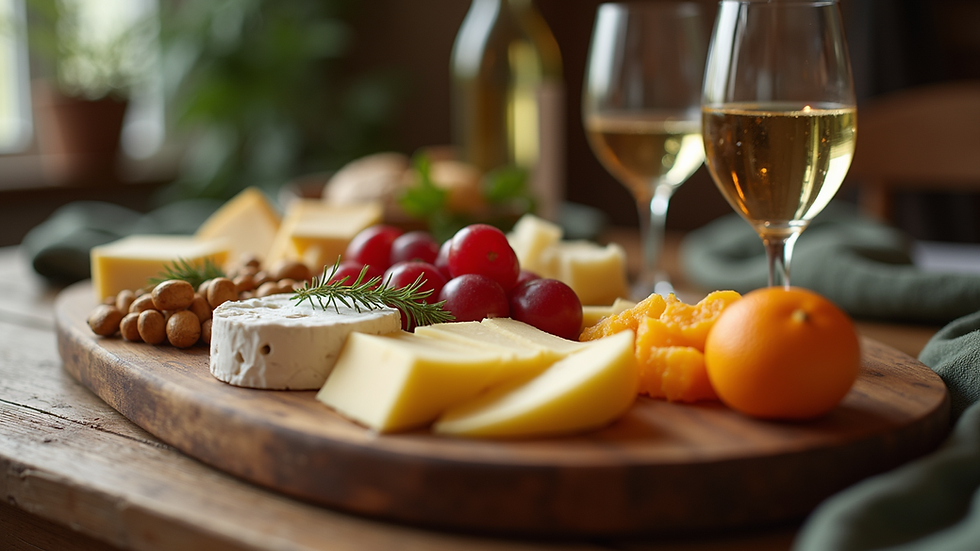
Understanding the Basics of Wine
Before diving into pairing, it's essential to understand the different types of wine. Here are the main categories:
Red Wine
Red wines are made from dark-colored grape varieties. They typically have a robust flavor profile and can range from light to full-bodied. Common types include:
Cabernet Sauvignon: Bold and tannic, often with notes of dark fruits and spices.
Merlot: Softer and fruitier, with flavors of plum and chocolate.
Pinot Noir: Light-bodied with bright acidity and flavors of cherry and raspberry.
White Wine
White wines are generally lighter and crisper than red wines. They can be sweet or dry. Popular varieties include:
Chardonnay: Can be oaked or unoaked, with flavors ranging from buttery to crisp apple.
Sauvignon Blanc: Known for its high acidity and citrus flavors.
Riesling: Often sweet, with floral notes and stone fruit flavors.
Rosé Wine
Rosé is made from red grapes but has a shorter fermentation time with the grape skins, giving it a pink hue. It can be dry or sweet and is versatile for pairing.
Sparkling Wine
Sparkling wines, like Champagne, are carbonated and can be enjoyed with a variety of foods. They are often celebratory and add a festive touch to any meal.
The Principles of Pairing
When it comes to pairing food with wine, there are several principles to keep in mind:
Complementing Flavors
One of the simplest ways to pair wine and food is by complementing flavors. For example, a rich, buttery Chardonnay pairs well with creamy dishes like Alfredo pasta.
Contrasting Flavors
Contrasting flavors can also create a delightful balance. A crisp Sauvignon Blanc can cut through the richness of fried foods, providing a refreshing contrast.
Matching Intensity
The intensity of the wine should match the intensity of the food. Light dishes, such as salads or seafood, are best paired with lighter wines, while hearty dishes like steak pair well with full-bodied wines.
Regional Pairing
Often, wines and foods from the same region complement each other. For example, Italian Chianti pairs beautifully with pasta dishes, while French Bordeaux goes well with roasted meats.
Practical Pairing Tips
Here are some practical tips to help you master food and wine pairing:
Start with the Main Ingredient
Focus on the main ingredient of your dish. For instance, if you're serving grilled salmon, consider a Pinot Noir or a Chardonnay, both of which complement the fish's flavors.
Consider the Cooking Method
The cooking method can influence the pairing. Grilled or smoked foods often pair well with wines that have a smoky or earthy quality, such as a Syrah.
Think About Acidity
Acidity in wine can enhance the flavors of food. For example, a high-acid wine like Sauvignon Blanc works well with acidic foods like tomatoes or vinaigrettes.
Don’t Forget About Spice
Spicy foods can be tricky to pair. Off-dry wines, like a Riesling, can help balance the heat, while bold reds may intensify the spiciness.
Pairing Examples
To illustrate these principles, here are some specific pairing examples:
Cheese and Wine
Cheese is a classic pairing. Here are a few combinations:
Brie: Pairs well with Chardonnay or Champagne.
Blue Cheese: Best with sweet wines like Port or Sauternes.
Cheddar: Goes nicely with Cabernet Sauvignon.
Meat Dishes
When it comes to meat, consider these pairings:
Grilled Steak: A full-bodied Cabernet Sauvignon enhances the flavors.
Roast Chicken: A medium-bodied Merlot or Chardonnay works well.
Pork: A fruity Pinot Noir complements the dish beautifully.
Seafood
Seafood can be delicate, so choose wisely:
Grilled Shrimp: A crisp Sauvignon Blanc enhances the flavors.
Salmon: A light-bodied Pinot Noir or a rich Chardonnay works well.
Oysters: Pair with a dry sparkling wine for a refreshing contrast.
Vegetarian Dishes
Vegetarian meals can be just as delightful:
Pasta Primavera: A light Pinot Grigio complements the fresh vegetables.
Mushroom Risotto: A medium-bodied Merlot enhances the earthy flavors.
Stuffed Peppers: A fruity Grenache pairs well with the dish.
Experiment and Trust Your Palate
While guidelines are helpful, the best way to learn about food and wine pairing is through experimentation. Don’t be afraid to try new combinations and trust your palate. What works for one person may not work for another, so find what you enjoy.
Hosting a Wine and Food Pairing Dinner
If you're looking to host a wine and food pairing dinner, here are some tips to ensure success:
Choose a Theme: Consider a regional theme, such as Italian or French cuisine, to guide your pairings.
Plan the Menu: Select dishes that complement each other and the wines you’ve chosen.
Provide Tasting Notes: Share information about each wine and why it pairs well with the dish.
Encourage Discussion: Invite guests to share their thoughts on the pairings, fostering an engaging atmosphere.
Conclusion
Mastering food and wine pairing is an art that can enhance your dining experiences. By understanding the basics of wine, the principles of pairing, and experimenting with different combinations, you can create memorable meals. Remember to trust your palate and enjoy the journey of discovering new flavors. So, the next time you sit down for a meal, consider the wine you choose and how it can elevate your dining experience. Cheers!
Comments